TOWN GUIDE
Welcome to
Rhinebeck
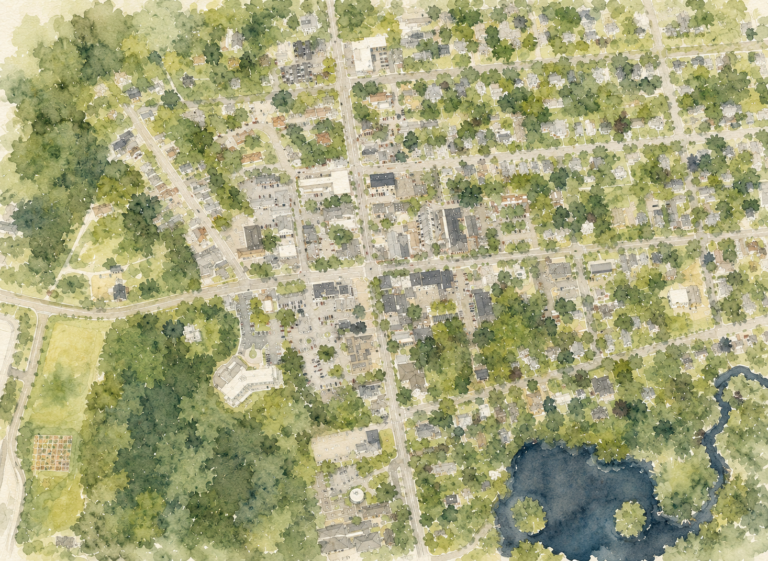
Historic charm, exceptional restaurants, beautiful countryside, and one of the Hudson Valley’s most vibrant village centers. Whether you’re searching for a full-time home or weekend retreat, Rhinebeck offers a lifestyle that feels both timeless and remarkably current.
Located about two hours north of New York City, Rhinebeck has long been one of the Hudson Valley’s most established real estate markets.
Buyers are often drawn here for its combination of a well-preserved village center, highly regarded restaurants and shops, large inventory of historic homes, and easy access to open farmland and country properties. For many, Rhinebeck strikes a balance between everyday convenience and rural living that can be difficult to find elsewhere in the region.
Long before European colonization, the land that is now Rhinebeck was home to the Sepasco, a Munsee Lenape community whose presence shaped the region for generations. In 1686, one of the area’s earliest recorded land transactions between Sepasco leaders and Dutch colonists marked the beginning of European colonization in the area. A few decades later, Palatine German immigrants established the village that would become Rhinebeck, laying the foundation for the community that exists today. During the nineteenth century, Rhinebeck grew as merchants and prominent New York families built country estates throughout the surrounding landscape. By the early twentieth century, the area had become the world’s largest producer of violets. While the flower fields have long since disappeared, the village has preserved much of its historic architecture, contributing to the distinctive character that continues to define Rhinebeck today.
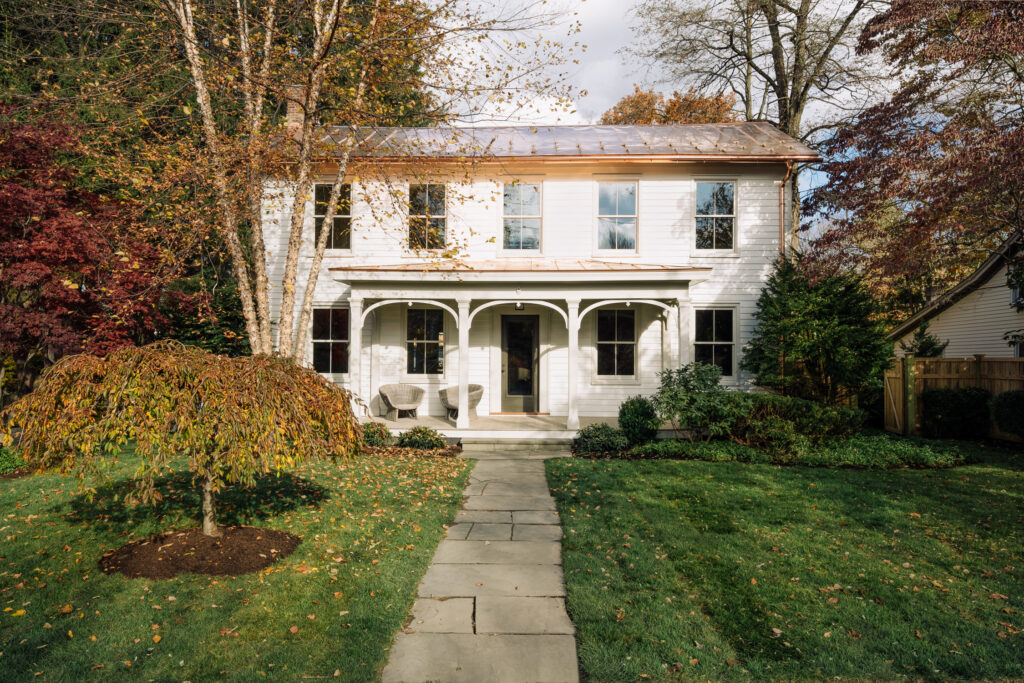
Although often referred to simply as Rhinebeck, the municipality includes both the Town of Rhinebeck and the Village of Rhinebeck. The village offers one of the Hudson Valley’s most concentrated collections of independent businesses, restaurants, galleries, and everyday services, while just a few minutes outside the center you’ll find country roads, working farms, equestrian properties, and contemporary homes on larger parcels. That variety is one of Rhinebeck’s defining strengths. Buyers can find everything from an in-town historic home to a secluded modern retreat without leaving the community.
Long before European colonization, the land that is now Rhinebeck was home to the Sepasco, a Munsee Lenape community whose presence shaped the region for generations. In 1686, one of the area’s earliest recorded land transactions between Sepasco leaders and Dutch colonists marked the beginning of European colonization in the area. A few decades later, Palatine German immigrants established the village that would become Rhinebeck, laying the foundation for the community that exists today. During the nineteenth century, Rhinebeck grew as merchants and prominent New York families built country estates throughout the surrounding landscape. By the early twentieth century, the area had become the world’s largest producer of violets. While the flower fields have long since disappeared, the village has preserved much of its historic architecture, contributing to the distinctive character that continues to define Rhinebeck today.
Although often referred to simply as Rhinebeck, the municipality includes both the Town of Rhinebeck and the Village of Rhinebeck. The village offers one of the Hudson Valley’s most concentrated collections of independent businesses, restaurants, galleries, and everyday services, while just a few minutes outside the center you’ll find country roads, working farms, equestrian properties, and contemporary homes on larger parcels. That variety is one of Rhinebeck’s defining strengths. Buyers can find everything from an in-town historic home to a secluded modern retreat without leaving the community.
Rhinebeck’s commercial district is a major reason many buyers gravitate here. Local favorites include Bread Alone and Little Goat for breakfast, Oblong Books, Samuel’s Sweet Shop, Westerlind, Zephyr, and Upstate Down for furniture, home goods, vintage finds, and gifts. Dining is equally strong, with destinations like Aba’s Falafel, Pizzeria Posto, Market St., and Le Petit Bistro, alongside a steady mix of cafés, bakeries, and seasonal farm-to-table restaurants that make the village an active destination throughout the year.
Beyond the village, Rhinebeck offers a wide range of recreational and cultural amenities. Residents enjoy hiking at Ferncliff Forest, visiting Wilderstein Historic Site, exploring the Beekman Arms, or attending events at the Dutchess County Fairgrounds, including the Dutchess County Fair and the New York Sheep & Wool Festival. The Old Rhinebeck Aerodrome adds another distinctive attraction, hosting vintage aircraft demonstrations and air shows during the warmer months.
For buyers comparing Hudson Valley towns, Rhinebeck is often a good fit for those who want a polished village with year-round amenities while still having access to larger properties and open countryside. It is one of the region’s most consistently sought-after markets, offering a broad range of housing styles, a strong local business community, and a setting that remains as appealing for full-time residents as it is for weekend homeowners.
Beyond the village, Rhinebeck offers a wide range of recreational and cultural amenities. Residents enjoy hiking at Ferncliff Forest, visiting Wilderstein Historic Site, exploring the Beekman Arms, or attending events at the Dutchess County Fairgrounds, including the Dutchess County Fair and the New York Sheep & Wool Festival. The Old Rhinebeck Aerodrome adds another distinctive attraction, hosting vintage aircraft demonstrations and air shows during the warmer months.
For buyers comparing Hudson Valley towns, Rhinebeck is often a good fit for those who want a polished village with year-round amenities while still having access to larger properties and open countryside. It is one of the region’s most consistently sought-after markets, offering a broad range of housing styles, a strong local business community, and a setting that remains as appealing for full-time residents as it is for weekend homeowners.